Current Research Projects
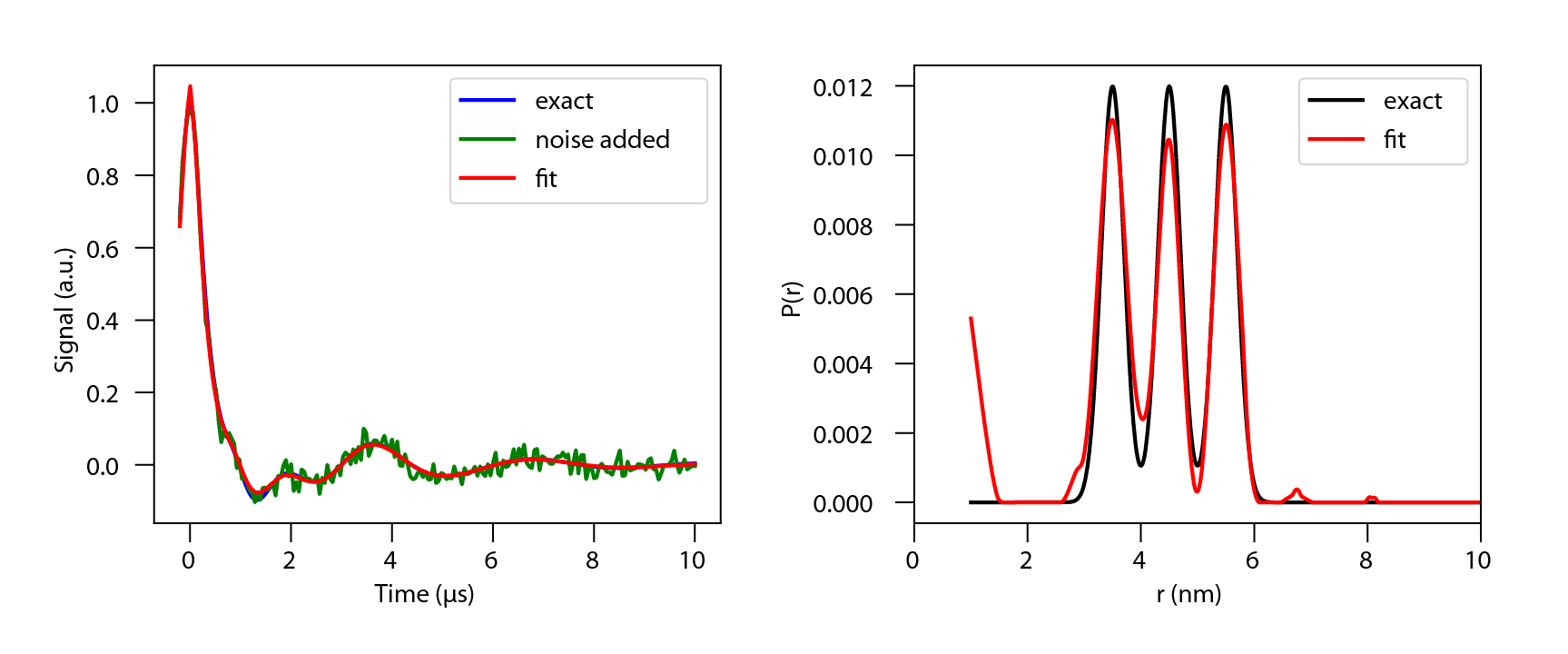
pyDEER
pyDEER is a python based package for processing double electron-electron resonance (DEER) data. It features Tikhonov regularization, Tikhonov based fitting with non-negative constraints, and Gaussian based model fitting.
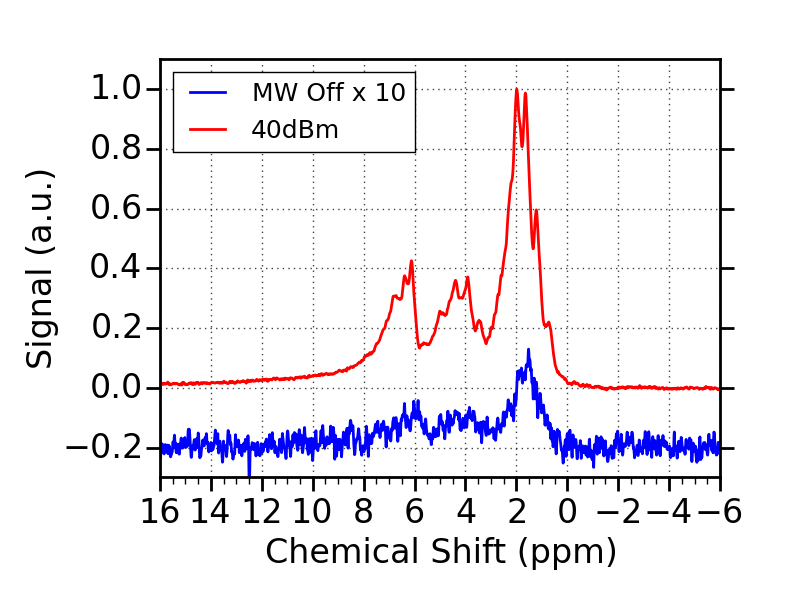
High-Resolution Overhauser Dynamic Nuclear Polarization
One application of Overhauser Dynamic Nuclear Polarization (ODNP) is to enhance the sensitivity of NMR experiments. This work is geared towards enhancing the sensitivity of NMR at low magnetic fields while still retaining chemical shift information.
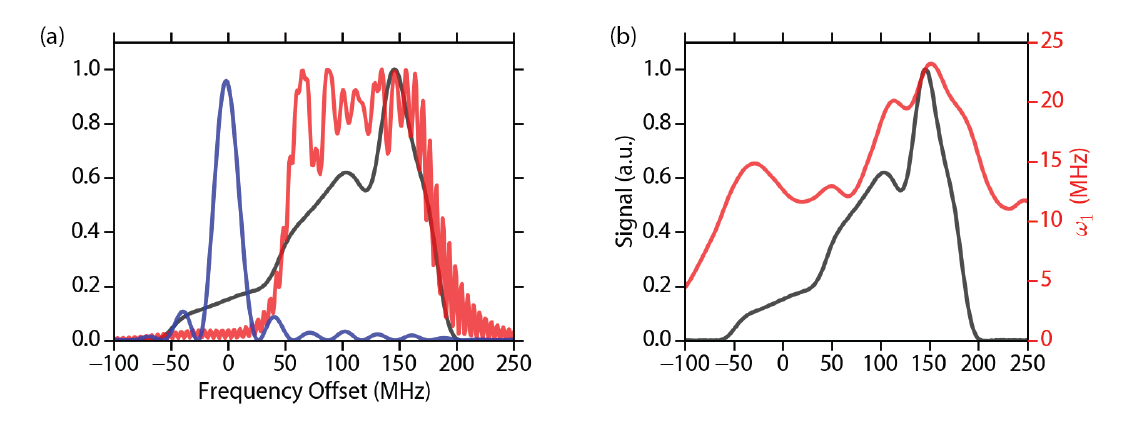
Optimization of Pulsed Dipolar Spectroscopy (PDS) Experiments
Investigating pulse shaping, resonator bandwidth compensation, excitation schemes, tuning protocol, and data processing for the optimization of pulsed dipolar spectroscopy (PDS), especially double electron-electron resonance (DEER) and single frequency techniques for refocusing (SIFTER).
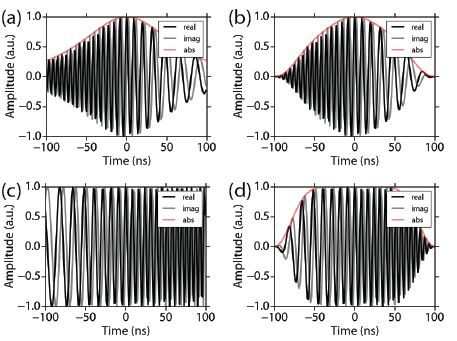
Development of Python-Based Package for Simulation and Implementation of Shaped Pulses in EPR
Working on an open-source python-based package for the development of shaped pulses in EPR.
Past Research Projects
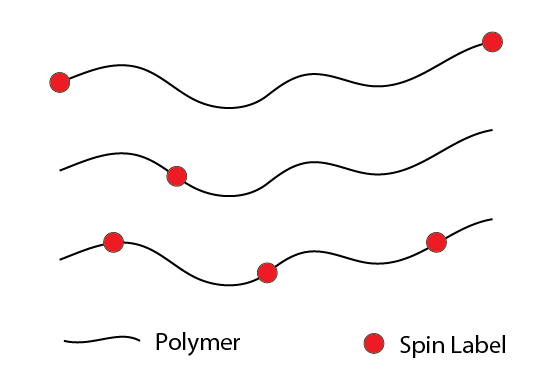
Structural Studies of Polymers in Solution and Adsorbed on Surfaces
Electron Paramagnetic Resonance (EPR) is a powerful tool for the characterization of local dynamics and structure information. In this work, we study the structural and dynamical changes of polyethylene after surface adsorption. Understanding the structure of polyethylene adsorbed on surfaces is critical to elucidating the mechanism of chopping catalysts which produce products of polydispersity index closer to unity than the initial reagents.
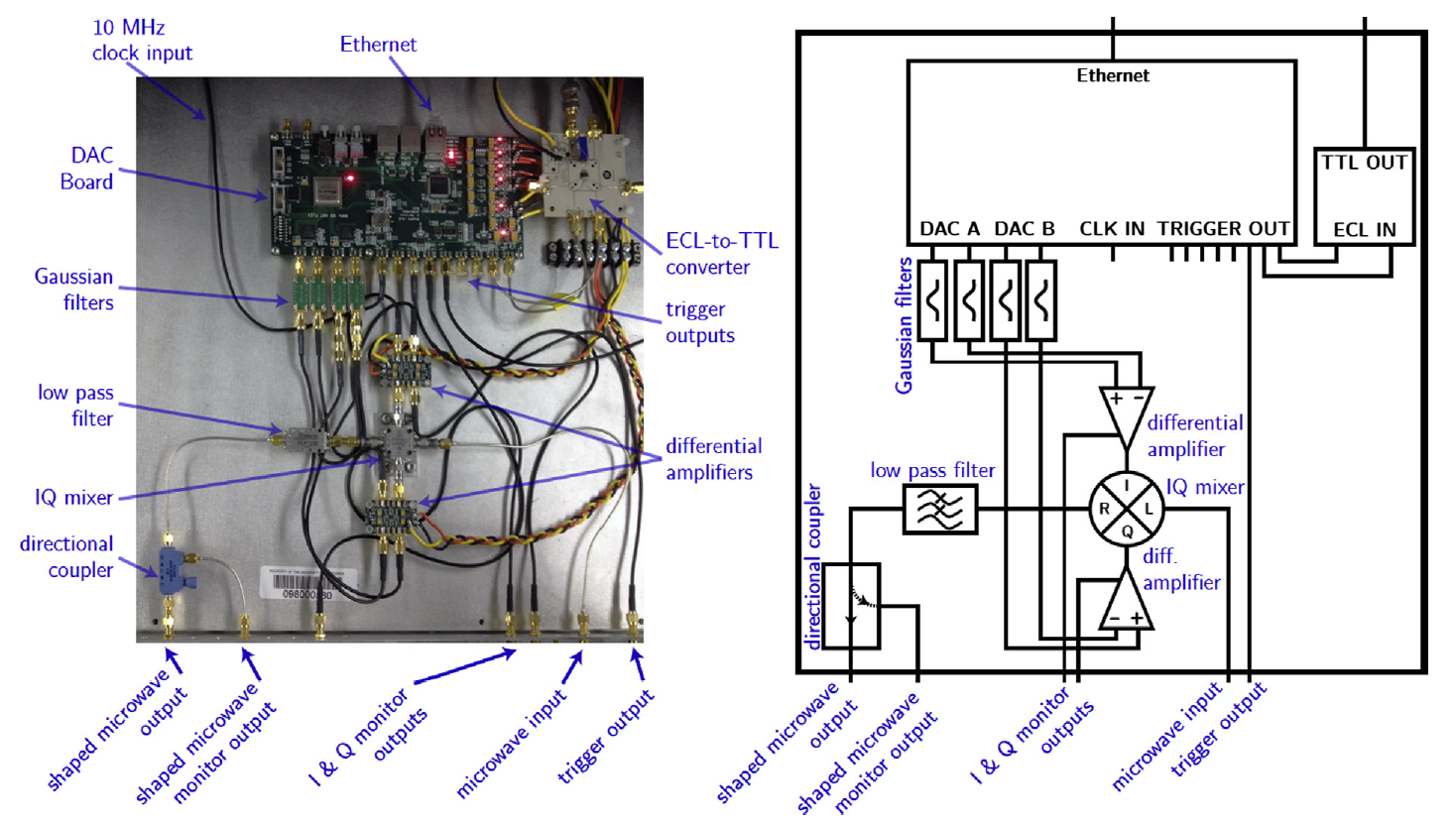
Development of DAC-Board Based Arbitrary Waveform Generation (AWG) Pulsed EPR Spectrometer
First of its kind pulsed EPR spectrometer centered around an FPGA DAC-Board. The DAC board itself acts as the central control unit for the spectrometer.
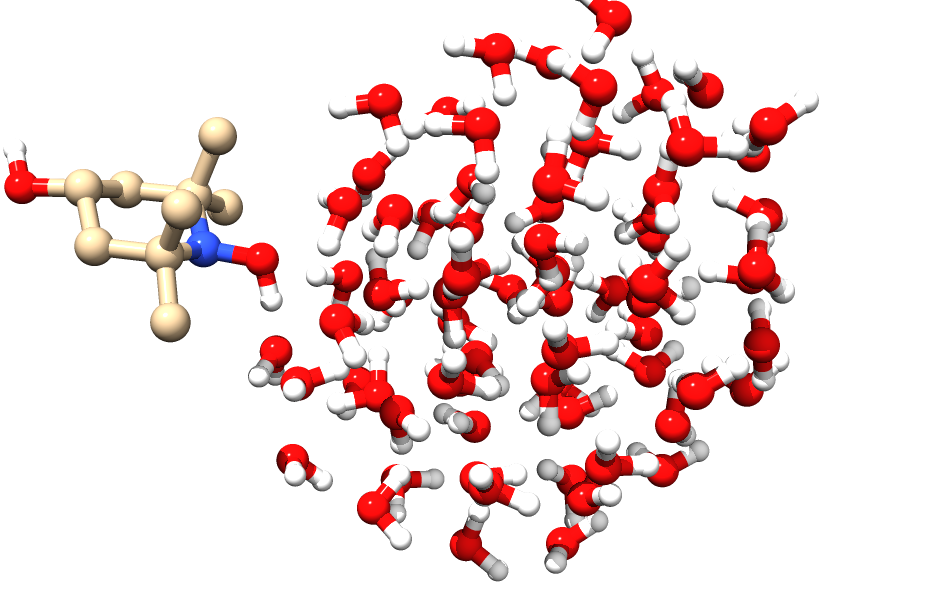
Complimentary ODNP and ESEEM Water Accessibility Measurements
Investigated to what extent ODNP water dynamics measurements are purely a measure of the translational diffusion coefficient or a combination of dynamics and accessibility.
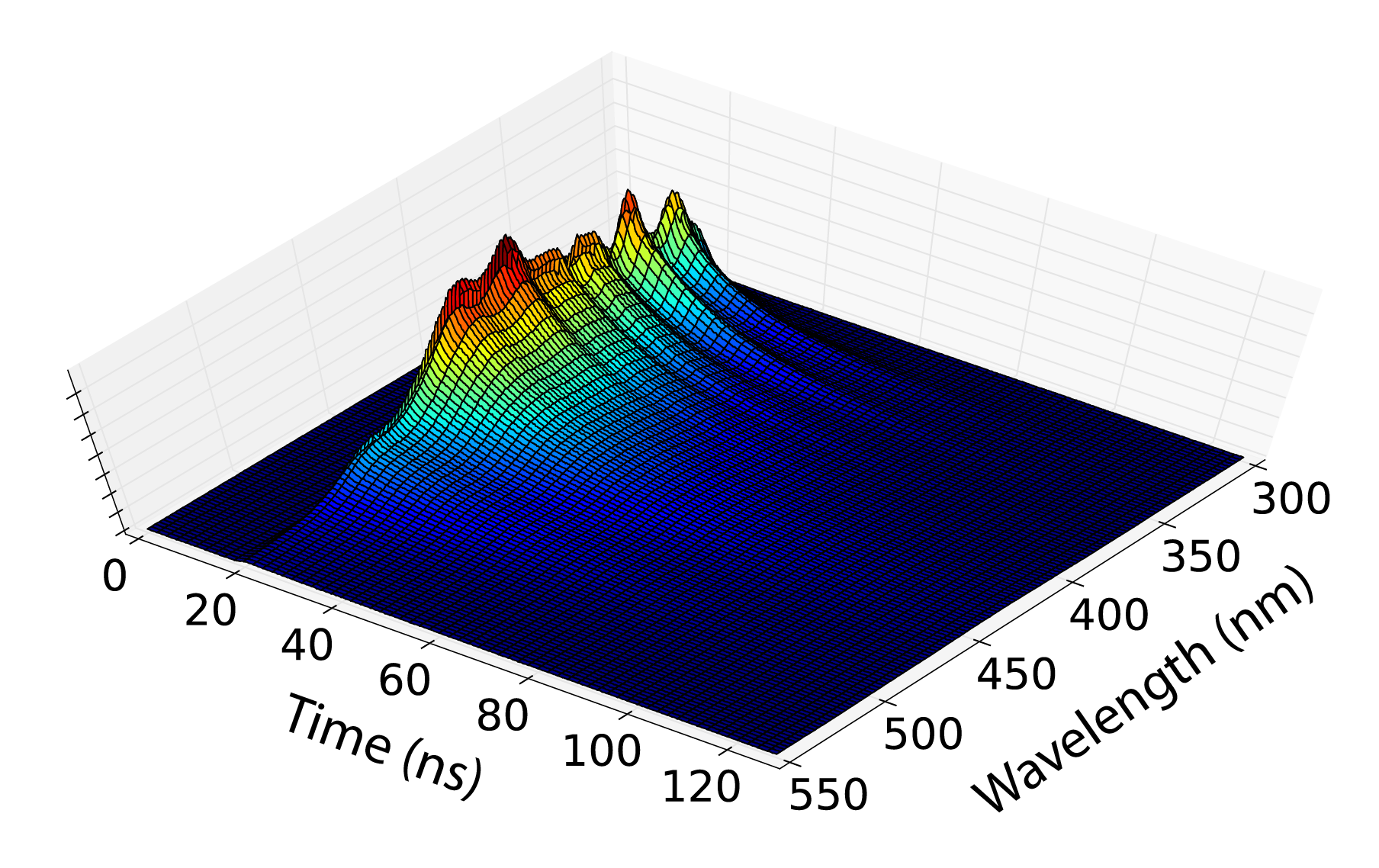
Parallel Factor Analysis on Time-Resolved Fluorescence Data
Parallel Factor Analysis (PARAFAC) applied to multi-way fluorescence data to extract the number and identity of various components in a mixture.
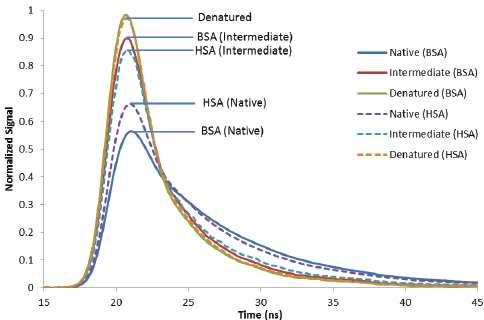
Time-Resolved Fluorescence Studies of the Denaturation of Bovine Serum Albumin (BSA) and Human Serum Albumin (HSA)
The identity of an intermediate state in the denaturation of BSA and HSA with urea or guanidinium chloride can be identified based on its fluorescence lifetime and emission spectrum.
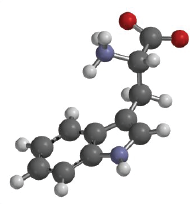
Time-Resolved Fluorescence of Tryptophan
The large dipole moment shift upon excitation of tryptophan can be used to study the local environment around a protein.